
Introduction
Rainwater management is an important part of any industrial, commercial, or large roofing project. A poorly planned gutter system can allow water to collect around the roof edge, affect walls and foundations, or create maintenance problems over time. This is why businesses and project teams often compare different gutter materials before making a purchase.
An FRP Roof gutter is one option worth considering where the roofing system requires a practical, corrosion-resistant and relatively lightweight drainage component. Made from Fiberglass Reinforced Plastic, FRP gutters are designed to collect and guide rainwater away from roof surfaces.
However, choosing the right gutter is not simply about selecting a material. Roof design, dimensions, drainage requirements, installation conditions, exposure, support and project specifications all need to be considered. For buyers searching for an FRP Roof gutter dealer in Delhi NCR, understanding these factors can make it easier to compare suppliers and select a suitable product.
What Is an FRP Roof Gutter?
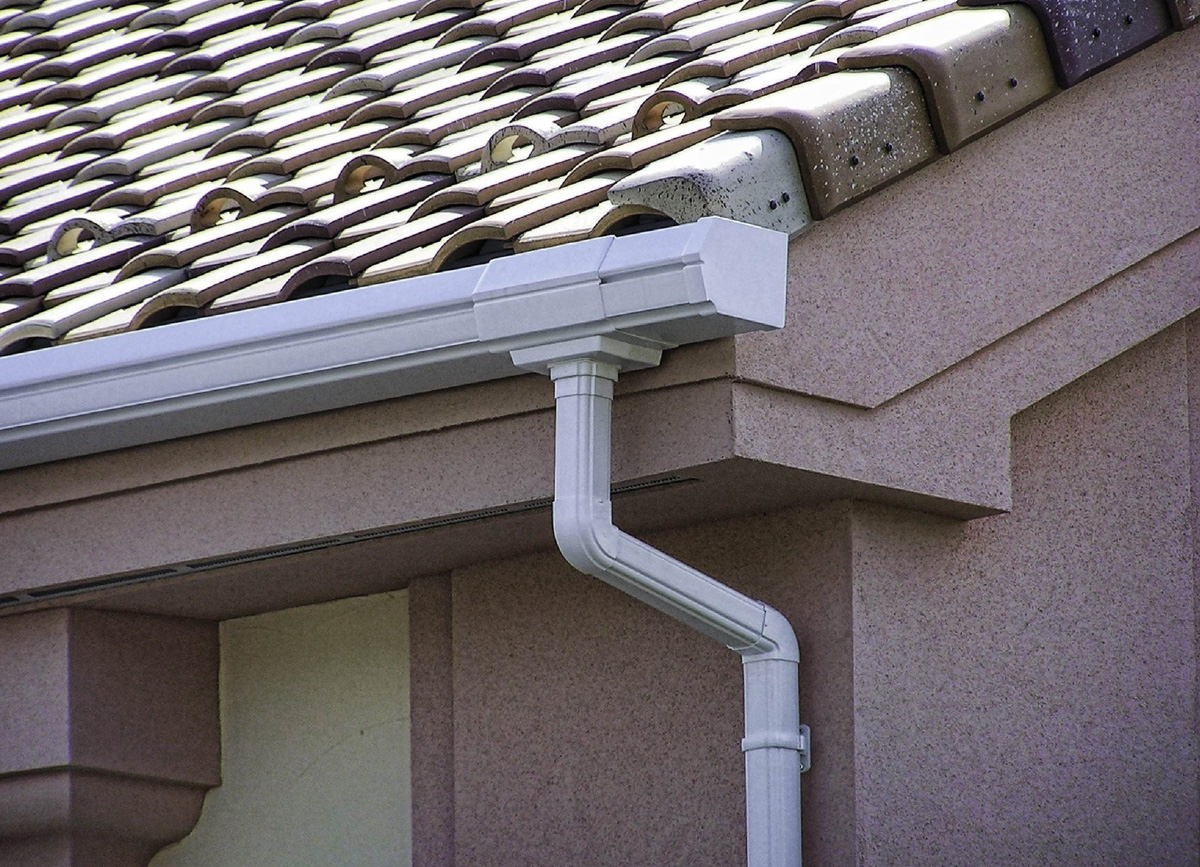
An FRP Roof gutter is a rainwater collection channel manufactured using FRP, or Fiberglass Reinforced Plastic. The material combines a resin system with glass reinforcement to form a rigid product suitable for a range of roofing and drainage applications.
The basic purpose is straightforward: the gutter receives rainwater flowing from the roof and directs it toward an appropriate discharge point, such as a downpipe or drainage system.
Unlike conventional metal gutters, FRP does not depend on steel or other metal construction. This can be useful in environments where exposure to moisture or corrosive conditions is a concern.
The exact construction, thickness, profile, dimensions and finish of an FRP gutter can vary according to the manufacturer and project requirements. Therefore, buyers should avoid selecting a product only by appearance or price.
Which are the FRP Roof Gutter provided by RD India?
Frp Industrial Rainwater Gutter - ₹ 60/square foot
| Product Details | Information |
|---|---|
| Material | FRP |
| Usage/Application | roof shed |
| Brand | RD India |
| Country of Origin | Made in India |
Made up of fibreglass high strenth and anticorrosive Unbreakble. Avaiable in all color sizes.
Production Capacity : 25000
Delivery Time : 20days
Frp Roof Rainwater Gutter -₹ 60/square foot
| Product Details | Information |
|---|---|
| Material | FRP |
| Dimensions | ANY |
| Brand | R D INDIA |
| Usage/Application | Industrial |
| Size | ANY |
| Country of Origin | Made in India |
| Thickness | AS PER CLIENT |
How Is an FRP Roof Gutter Used?
An FRP gutter is generally positioned along a roof edge or at another designed collection point where rainwater needs to be controlled.
Roof Water Collection
During rainfall, water moves across the roof surface and enters the gutter. The gutter provides a defined path for the water rather than allowing it to run uncontrolled from the roof edge.
Connection to Drainage
The collected water is then directed toward outlets, downpipes or a suitable drainage arrangement. The gutter profile and outlet arrangement should be compatible with the roof layout and expected water flow.
Installation and Support
Proper installation is essential. Gutters need suitable support and alignment so that water can move toward the intended outlet. Joints and connections also need attention because even a well-made gutter can perform poorly if it is incorrectly installed.
For larger industrial roofing projects, installation should be planned along with the complete rainwater drainage system rather than treating the gutter as an isolated component.
Key Benefits of FRP Roof Gutters
FRP can offer several practical advantages, although suitability depends on the application.
Corrosion Resistance
FRP is not prone to rust in the same way as conventional steel components. This makes it useful in locations where gutters are regularly exposed to moisture or potentially corrosive surroundings.
Lightweight Construction
FRP can provide a useful strength-to-weight balance. Its relatively lightweight nature can make handling and positioning easier during installation, although the actual weight depends on the product design.
Low Maintenance Requirements
Because FRP does not rust like ordinary steel, some maintenance concerns associated with corrosion can be reduced. However, gutters still require inspection and cleaning to remove leaves, dirt, debris and other blockages.
Suitable for Different Environments
FRP is used across industrial and commercial environments where resistance to moisture and certain environmental conditions is important. Its suitability for a particular chemical or industrial exposure should always be confirmed with the manufacturer.
Design Flexibility
FRP gutters can be manufactured in different profiles, dimensions and configurations depending on the project. This can be useful when standard off-the-shelf dimensions do not match the roofing design.
Applications of FRP Roof Gutters
FRP roof gutters are relevant to many buildings where controlled rainwater collection is required.
Common applications can include:
- Industrial sheds and manufacturing facilities
- Warehouses and storage buildings
- Commercial buildings
- Factory roofing systems
- Large construction and infrastructure projects
- Utility and service buildings
- Buildings exposed to humid or corrosive surroundings
For example, a warehouse with a large metal roof may need continuous rainwater collection along several roof edges. In such a situation, the gutter material needs to be evaluated not only for water drainage but also for its exposure to weather, installation conditions and long-term maintenance requirements.
What to Consider Before Choosing an FRP Roof Gutter?
Choosing an FRP Roof gutter manufacturer should come after understanding the actual project requirements.
Roof Size and Layout
Start with the roof dimensions, slope, drainage points and number of outlets. The gutter should be appropriate for the roof configuration rather than selected independently.
Gutter Dimensions and Profile
The required width, depth, length and profile can vary according to the project. Do not assume that one standard size is suitable for every building.
Environmental Conditions
Consider exposure to rain, sunlight, moisture, industrial fumes, chemicals and temperature variations. If the gutter will be installed in a specialized industrial environment, discuss the operating conditions with the manufacturer.
Installation Requirements
Check how the gutter will be supported, joined and connected to the drainage system. A product that is suitable on paper can still create problems when the supporting structure or installation method is inadequate.
Customization
For commercial and industrial projects, ask whether the supplier can manufacture or supply the required dimensions and configuration. This can be particularly important when the roof has unusual layouts.
Quantity and Project Scheduling
For larger projects, procurement teams should confirm quantity, production requirements, packaging, transportation and delivery schedules before placing the order.
Common Problems or Mistakes When Using FRP Roof Gutters
Many gutter problems are caused not by the basic material but by incorrect selection or installation.
- Incorrect sizing: A gutter that is not suitable for the roof's drainage requirements may struggle to manage heavy rainfall.
- Poor support: Insufficient or incorrectly positioned supports can affect alignment and stability.
- Improper slope: If the gutter does not direct water toward the outlet correctly, standing water may occur.
- Blocked outlets: Leaves, dust and other debris can restrict water flow. Regular inspection is still necessary even when using a low-maintenance material.
- Ignoring site conditions: Chemical exposure, intense weather conditions or unusual industrial environments should be considered before final material selection.
These issues can often be reduced by coordinating the gutter design with the roofing and drainage plan before installation begins.
Why FRP Is Considered for Roof Gutter Applications?
FRP is considered for gutter applications because it combines glass reinforcement with a polymer resin system, producing a material that can be useful where low weight, corrosion resistance and design flexibility are important.
However, FRP should not automatically be treated as the right choice for every roof. Metal, polymer and other drainage materials may also be appropriate depending on the building, budget, exposure and design requirements.
The practical question is therefore not simply whether FRP is "better," but whether its properties match the conditions of the specific project.
How RD India Can Help With FRP Roof Gutters?
Businesses looking for an FRP Roof gutter dealer or manufacturer in the Delhi NCR region can evaluate suppliers based on manufacturing capability, product suitability, customization requirements and supply support.
RD India manufactures and supplies FRP products, including rainwater gutters, and lists project-related factors such as client-specific size and thickness requirements for its industrial FRP rainwater gutter range.
For procurement teams, the useful approach is to share the roof application, required dimensions, quantity, site conditions and installation requirements with the supplier before finalizing the order. This allows the manufacturer to determine whether the proposed FRP gutter configuration is appropriate for the project.
Conclusion
An FRP Roof gutter can be a practical option for industrial, commercial and other roofing applications where controlled rainwater drainage is required. Its resistance to corrosion, relatively lightweight construction and potential for project-specific configurations make FRP worth considering, particularly in environments where moisture and maintenance are important concerns.
However, material selection should always be based on the actual roof design and site conditions. Buyers should evaluate gutter dimensions, drainage requirements, support arrangements, environmental exposure, installation method and maintenance needs before placing an order.
For businesses searching for an FRP Roof gutter manufacturer in Delhi NCR, it is equally important to assess the supplier's ability to understand project requirements and provide suitable products in the required configuration. A technically appropriate product, correctly installed and maintained, is ultimately more important than choosing based on price alone.
FAQs
1. What is the main purpose of an FRP Roof gutter?
An FRP Roof gutter collects rainwater from a roof and directs it toward a planned drainage outlet. It helps prevent uncontrolled water discharge from roof edges and supports an organized rainwater management system.
2. Is an FRP Roof gutter suitable for industrial buildings?
It can be suitable for industrial buildings, warehouses and factory sheds where rainwater needs to be collected from large roof areas. The final suitability depends on the roof design, environmental exposure, dimensions and drainage requirements.
3. How do I choose the right FRP Roof gutter size?
The required size depends on factors such as roof area, roof slope, rainfall conditions, drainage layout and outlet arrangement. A manufacturer or technical supplier should review the project requirements before recommending a configuration.
4. Does an FRP Roof gutter require maintenance?
Yes. Although FRP can reduce corrosion-related maintenance concerns, gutters still need periodic inspection and cleaning. Leaves, dust, debris and blocked outlets can affect drainage performance regardless of the gutter material.
5. What should I ask an FRP Roof gutter manufacturer before ordering?
Ask about available profiles and dimensions, material suitability for the site environment, customization options, installation requirements, quantity handling, delivery arrangements and any project-specific information required for manufacturing or supply.