
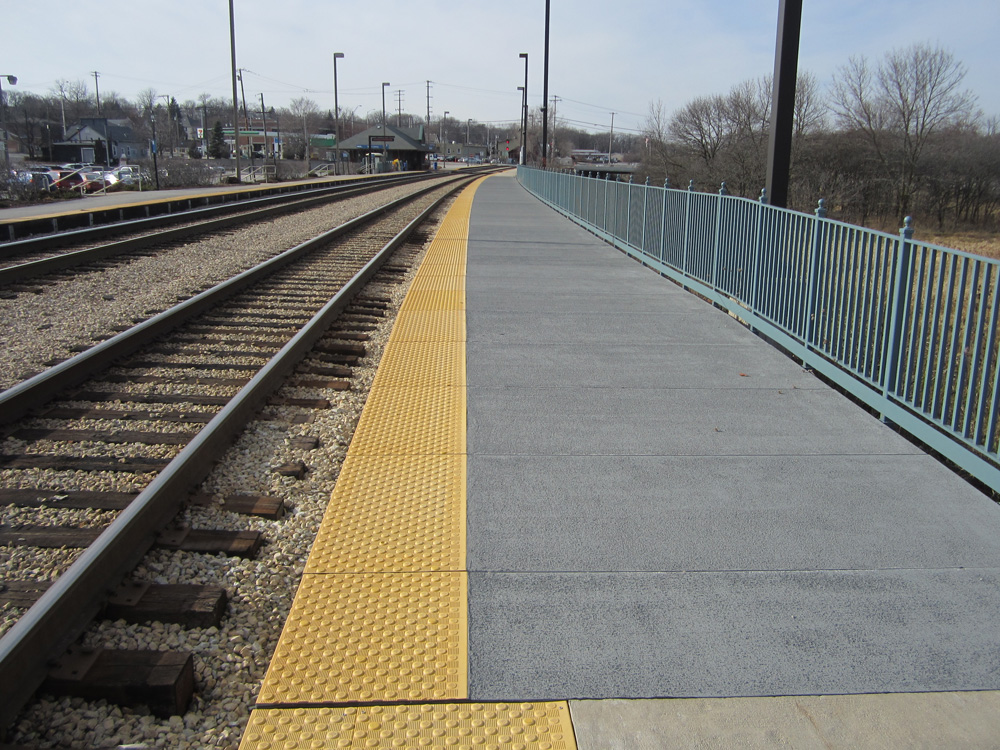
Railway infrastructure operates in demanding conditions where components may face moisture, dust, outdoor exposure, chemicals, electrical equipment, vibration, and regular maintenance activity. This makes material selection an important part of railway projects. FRP Railway products are considered for certain railway applications because Fiberglass Reinforced Plastic (FRP) can combine strength, relatively low weight, corrosion resistance, and useful electrical insulation properties.
For contractors, procurement teams, engineers, and infrastructure companies, the important question is not simply whether FRP is suitable, but which FRP product is appropriate for the application, how it should be specified, and which manufacturer or supplier can provide it according to project requirements. This guide explains the practical considerations involved in evaluating FRP Railway products, particularly for projects in Delhi NCR and other Indian industrial environments.
What Are FRP Railway Products?
FRP Railway products are components made using Fiberglass Reinforced Plastic, a composite material generally formed by combining reinforcing glass fibres with a polymer resin system.
Unlike conventional materials such as steel, FRP can offer a different balance of weight, corrosion resistance, electrical properties, and handling characteristics. However, the exact performance depends on the resin system, reinforcement, manufacturing method, geometry, surface finish, and intended application.
In railway environments, FRP may be considered for components where these material characteristics provide a practical advantage. The product should always be selected according to the actual operating conditions rather than simply choosing FRP because it is a modern composite material.
Which type of FRP Railway Products provided by RD India?
RD India manufactures custom and industrial FRP (Fiberglass-Reinforced Plastic) components used in infrastructure, which include structural molds and utility items adapted for railway projects.
Rectangular Polished Frp Route Marker Mould - ₹ 35,00/price
| Product Details | Information |
|---|---|
| Surface Treatment | Polished |
| Shape | Rectangular |
| Ideal In | New Only |
| Country of Origin | Made in India |
FRP Railway Telecom Shelter- ₹ 35,000/Unit
| Product Details | Information |
|---|---|
| Use | Shelter |
| Built Type | Panel Build |
| Material | FRP |
| Feature | Easily Assembled |
| Surface Treatment | Galvanised |
| Technique | Hot Rolled |
FRP Railway Sleeper Moulds - ₹ 4,500/Piece
| Product Details | Information |
|---|---|
| Material | FRP |
| Shape | Rectangular |
| Thickness | 6mm |
| Dimension | 1125×530×100mm |
| Weight | 15-25 kg |
| Brand | RD India |
| Warranty | 1 year |
| Hardness | Medium |
| Color | Green |
Precast Railway Platform Coping FRP Mould - ₹ 39,00/price
| Product Details | Information |
|---|---|
| Surface Treatment | Color Coated |
| Usage/Application | Industrial |
| Capacity | Upto 10 ton/day |
| Shape | Rectangular |
| Material | FRP |
| Country of Origin | Made in India |
| Brand | RD India |
| Application | Railway Platform |
| Mould Type | Precast Coping Mould |
FRP Battery Box for Railways- ₹ 10,000/price
| Product Details | Information |
|---|---|
| Material | FRP |
| Usage/Application | Industrial |
| Design | As per Standard |
| Shape | Rectangular |
| Color | Any Color |
| Size | Customised Sizes |
| Condition | New |
| Ideal In | New Only |
| Brand | RD India |
| Country of Origin | Made in India |
How Are FRP Railway Products Used?
The specific use of FRP depends on the railway project and the component being supplied. Railway infrastructure includes stations, platforms, maintenance facilities, service areas, electrical installations, trackside infrastructure, and other supporting systems.
Application and Installation
Before installation, the project team should establish the required dimensions, mounting arrangement, environmental exposure, expected usage, and any applicable project specifications.
Installation also matters. Even a properly manufactured FRP component can perform poorly if it is incorrectly supported, drilled, fastened, aligned, or exposed to conditions outside its intended application.
For contractors, this means the product should be evaluated together with its installation method. Where a component is being replaced or integrated into an existing railway system, compatibility with surrounding structures is also important.
Key Benefits of FRP Railway Products
Corrosion Resistance
Railway infrastructure can be exposed to rain, humidity, pollutants, cleaning chemicals, and other environmental conditions. FRP is generally resistant to corrosion compared with conventional ferrous materials, although the actual chemical resistance depends on the resin and construction used.
This can make FRP worth considering in locations where corrosion could increase maintenance requirements.
Lightweight Construction
FRP components can be lighter than comparable components made from some traditional materials. This can simplify transportation, handling, and installation, particularly where workers need to position components manually or where access is restricted.
The weight advantage should still be assessed against the required structural and service conditions of the particular component.
Electrical Insulation
One important characteristic of many FRP composites is their non-conductive nature. This can be relevant around certain electrical and railway infrastructure applications. However, electrical requirements should always be reviewed with the project's engineering specifications before selecting a particular FRP component.
Low Maintenance Requirements
Because FRP does not rust in the same way as ordinary steel, some applications may require less corrosion-related maintenance. That does not mean FRP is maintenance-free. Physical damage, fastening conditions, surface deterioration, UV exposure, and site-specific factors still need to be considered.
Applications of FRP Railway Products
FRP can be considered across different railway-support applications where its material properties match the requirements.
Potential application areas may include:
- Railway stations and platform infrastructure
- Trackside service areas
- Electrical and utility-related installations
- Railway maintenance facilities
- Walkways and access-related components
- Industrial railway facilities
- Areas exposed to moisture or corrosive environments
- Supporting infrastructure around rail and metro projects
The suitability of an FRP component should always be confirmed against the specific design and operating conditions of the project.
What to Consider Before Choosing FRP Railway Products
Buying an FRP component for a railway project requires more than comparing prices between suppliers. Procurement teams should first establish what the component needs to do.
1. Application Requirements
Clearly define the purpose of the product and how it will be used. Consider whether it will be exposed to pedestrian traffic, equipment, weather, chemicals, vibration, electrical systems, or other operational conditions.
2. Dimensions and Design
Dimensions should match the project's drawings or installation requirements. If a standard product does not fit the application, discuss whether a customized design is practical.
3. Environmental Exposure
Consider moisture, sunlight, temperature variation, chemicals, dust, and other site conditions. These factors can influence the appropriate resin system, surface treatment, and overall construction.
4. Load and Usage Conditions
Where the product has a structural or load-bearing role, the required loading conditions and support arrangement must be clearly established. Do not assume that every FRP product has the same strength or load capacity.
5. Manufacturing and Quality
A reliable FRP Railway products manufacturer should be able to understand the application and manufacture the product consistently according to agreed requirements. Buyers should review manufacturing capability, quality processes, material selection, and the supplier's ability to meet project quantities.
6. Supply and Project Coordination
For larger railway or infrastructure projects, availability and delivery coordination can be as important as the product itself. A local or regional FRP Railway products dealer in Delhi NCR may be useful when procurement teams need communication, project coordination, and supply support within the region.
Common Problems or Mistakes When Using FRP Railway Products
One common mistake is selecting a product based only on appearance or price. FRP components can vary considerably in construction and intended use.
Another issue is incorrect sizing. A component that does not match the required dimensions or mounting arrangement may create installation problems.
Poor support or incorrect fastening can also affect performance. FRP should not automatically be installed using methods intended for a completely different material.
Ignoring environmental exposure is another avoidable mistake. A product intended for one environment may not be suitable for prolonged exposure to particular chemicals, temperatures, or outdoor conditions.
The best way to reduce these problems is to share drawings, application details, environmental conditions, quantity requirements, and installation information with the manufacturer before finalizing the order.
Why FRP Is Considered for Railway Applications
FRP is not a universal replacement for steel, aluminium, concrete, or other traditional materials. Its value comes from the combination of properties it can offer for a particular application.
Where corrosion resistance, lower weight, electrical insulation, and ease of handling are important, FRP can be a practical material to evaluate. In other situations, another material may be more appropriate.
This application-focused approach is particularly important for railway infrastructure, where product selection must consider safety, installation, operating conditions, and project specifications together.
How RD India Can Help With FRP Railway Products
For businesses looking for FRP solutions in Delhi NCR, working directly with an experienced FRP Railway products manufacturer in Delhi NCR can make product discussions more straightforward. RD India operates from Delhi and Greater Noida and manufactures a range of FRP products for different applications.
For railway-related requirements, buyers can discuss the intended application, dimensions, environmental conditions, quantity, and customization requirements before finalizing a product. This helps ensure that the selected FRP solution is based on actual project needs rather than a generic product description.
Conclusion
Selecting FRP Railway products should begin with the application, not simply the material. Buyers need to consider dimensions, loading conditions, environmental exposure, installation, electrical requirements, maintenance, and project specifications before placing an order. FRP can be useful where properties such as corrosion resistance, lightweight construction, and electrical insulation are relevant, but its suitability depends on the design and manufacturing details of the particular component.
For contractors and procurement teams in Delhi NCR, choosing an experienced FRP Railway products dealer or manufacturer can also simplify technical discussions and project coordination. A supplier that understands the application can help identify whether a standard or customized FRP solution is appropriate. Careful material selection at the procurement stage can reduce installation issues and support more practical long-term maintenance planning.
FAQs About FRP Railway Products
1. What are FRP Railway products used for?
FRP Railway products are used for selected railway infrastructure and supporting applications where properties such as corrosion resistance, low weight, electrical insulation, or ease of handling are useful. The exact application depends on the component and project requirements.
2. Are FRP Railway products suitable for outdoor railway environments?
FRP can be suitable for outdoor applications, but the product must be designed for the relevant environmental exposure. Sunlight, moisture, temperature changes, chemicals, and mechanical conditions should be considered before selection.
3. How should I choose an FRP Railway products manufacturer?
Look for a manufacturer that can understand the application, discuss material and design requirements, provide appropriate customization where required, and maintain consistent manufacturing quality. Project drawings and operating conditions should be shared before finalizing the product.
4. Can FRP Railway products be customized?
Customization may be possible depending on the product, manufacturing process, design, and required quantity. Buyers should provide drawings, dimensions, mounting details, and other project specifications so the manufacturer can assess the requirement properly.
5. Why consider an FRP Railway products dealer in Delhi NCR?
A Delhi NCR-based supplier can be convenient for businesses undertaking railway, metro, infrastructure, or industrial projects in the region. Local coordination can make discussions about dimensions, quantities, customization, delivery, and project requirements easier.